TRAVEL BLOG


When I arrived in Israel I decided that I would go out to eat at a nearby restaurant. When I was given the menu I noticed that there were two different sections to the menu, one being labeled Kosher foods. Before ordering my food, I asked the server out of curiosity what the kosher portion of the menu meant. The server explained that kosher foods are foods that fall under the dietary pattern found within the Torah, the Jewish book of sacred texts. As an example, she said dairy products and meat should not be eaten together or even within certain time limits. Additionally, all animals must be slaughtered a certain way and the meat is soaked, salted and rinsed before it is prepared into a dish. Some of the dishes that were on the Kosher side of the menu were, maple salmon, roast chicken, etc.
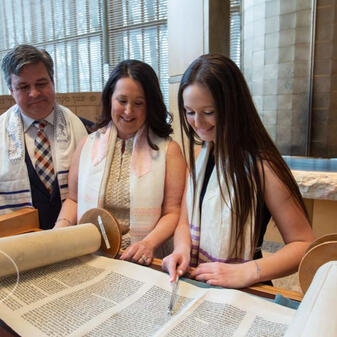
The reason I traveled to Israel was that I was invited to the Bat Mitzvah of a friend's cousin. I meet up with my friend inside the hall where the celebration was going to take place. When I asked what the meaning of a Bat Mitzvah is she explained that when a Jewish girl or boy turns a certain age they consider them an adult. Therefore they become a Bar or Bat mitzvah and take on the responsibilities of a Jewish adult. In other words, Bat or Bar Mitzvah refers to the actual girl and or boy becoming a Bat or Bar Mitzvah. She explained the reason her family and some other families decide to throw big celebrations is to aided younger Jews into their congregation and faith. During the Bat mitzvah, people gave gifts such as jewelry and even cash to the Bat Mitzvah girl. Towards the end, the Bat Mitzvah girl gave her speech and read parts of what looked like a scroll. When I asked my friends what the scroll was she said that it is the Torah written on a scroll. She explained to me that Abraham, a Hebrew man promoted the idea that there was one God during a time where people believed in many gods. From his idea eventually, a religion was formed. However, the Hebrews became enslaved in Egypt although they were eventually saved by Moses. After this Moses was given the ten commandments by God. The ten commandments are what form the basis of Jewish law, the Torah and the Jewish faith.
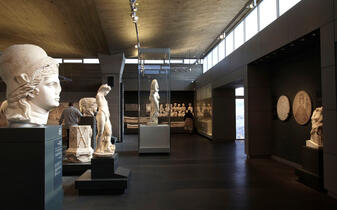
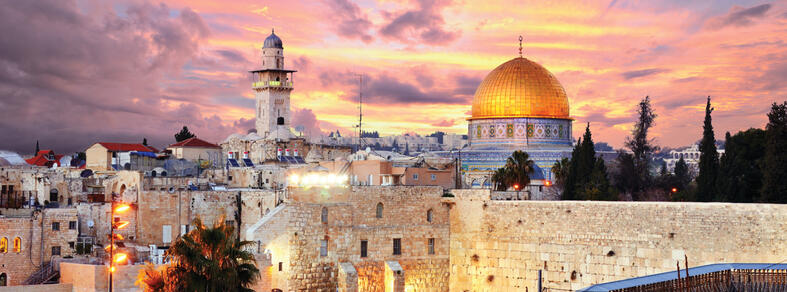
Lastly, I decided that the last thing I would do in Israel to fully experience its culture is to visit the Israel Museum and the western wall. The museum contained various interesting artifacts and works of art that . However, what caught my eye the most was what was called the statue of Hadrian. The museums guide explained that Emperor Hadrian is one of the most loathed figures in jewish history after he successfully stopped the bar kokhba revolt killing half a million people while doing so. The museum guide explained that the bar kokhba revolt was a rebellion of the jewish people against judea and the roman empire. Because of these revolts Jewish people compiled the Mishnah, the teachings of the Rabbis with the Talmud, containing the interpretations of the mishnah. After touring the museum, we were taken to the western wall. The travel guide explained that the western wall is also called the wailing wall and is the only remaining part of the second temple of Jerusalem. They explained the reason why many Jewish visit the wall is because it's one of the holiest places in Judaism. They are also permitted to pray at the western walls. While walking around, I could see many people were writing down prayers on pieces of paper and leaving them in the crevices of the wall.
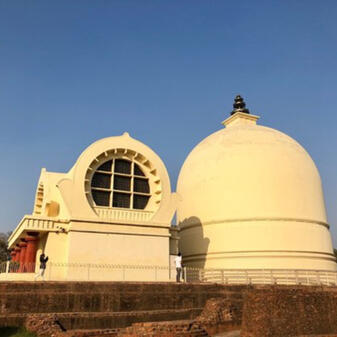
When I traveled to India, I decided to visit a popular Buddhist temple in Kushinagar and burial mound. The burial mound was called The parinirvana Stupa. There was a guide to help everyone find their ways and would tell us facts about the Stupa. Such as how it is believed that it is the death place of the founder of Buddhism. It is believed that the founder Gautama Buddha attained what they call parinirvana here after his death. When I asked what parinirvana was he said that parinirvana is the release from Samsara after the death of someone who has achieved Nirvana during their life. After visiting the Parinirvana Stupa we were guided to the Mahaparinirvana temple located relatively close to the Pirivirvana Stupa. We were given small pamphlets with information about the temple. When we went inside there was a sleeping statue of the Buddha where it is believed his remains were left. In the pamphlet, it said that the statue was built out of a single piece of red sandstone of chunar. On the brick platform that the statue lies on, there was an inscription made to signify the builder, Swami Haribala a disciple of the Buddha. As I walked around I could see people worshiping the Buddha. Some sat on the floor barefoot in front of an image of Buddha and all of them had their feet facing away from the image. There were also Buddhist monks preaching from sacred texts. When I asked what they were preaching from the tour guide said it was the Tripitaka. He said that the Tripitaka has the teachings and experiences of the Buddha and is one of the sacred texts of Buddhism. The Tripitaka is where Buddhist get most of the morals they follow such as not killing and avoiding intoxication.
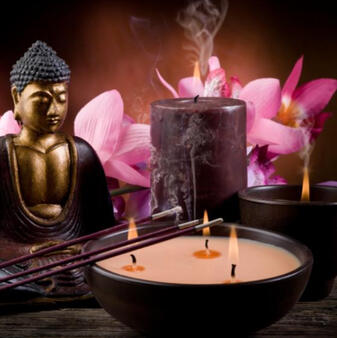
Before I had to leave India to fly back home, I noticed that there seemed to be a parade of people walking outside. I decided to go outside to see what they were doing. Coincidentally, I happened to find the tour guide from the temple. I asked why the people were gathering on the streets. They explained that they were mainly Buddhists assembling to celebrate the birth, enlightenment, and death of the Buddha. As I looked around many people were dancing, reciting poems and pouring water over statues of Buddha. There were even people lighting lanterns and hanging them along the streets and there were also some on a few homes.
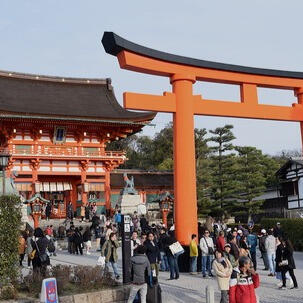
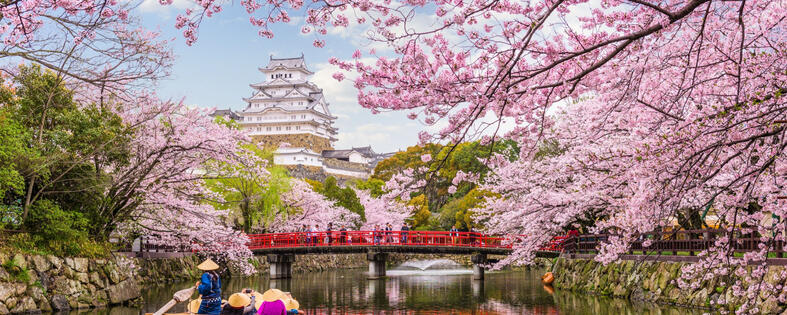
While walking around Japan, I found what looked like a gateway leading up to a shrine. I asked a person who I saw near the shrine what it was for. The man explained that the shrine was for a religion that originated in Japan called Shinto. People who believe in Shintoism may choose to call themselves Shintoists. He explained that they believe in the ancient myths and teachings that are compiled within the Nihon-gi about spirits and deities along with shamanic healing. Shintoists promote harmony and moral purity in the spheres of life. The man explained that Shintoism is one of the early religions, that is why Shinto Shrines aren't usually busy. However, it is not required to worship daily although some Shintoists might choose to. There were a few people I could see washing their hands and mouth with water. I asked what the purpose for that was and he said it is customary to spiritually and physically cleanse oneself before entering a shrine to worship. Before leaving the man said there would be a spring festival taking place at the shrine tomorrow and I could join if I wished.
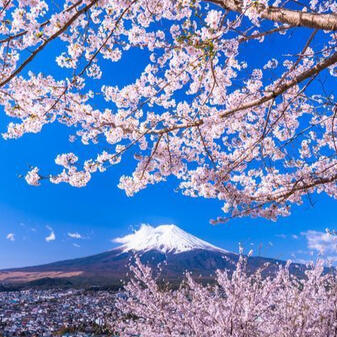
After being told about the spring festival, I decided that I would go before leaving to travel back. The man from the other day said that the festival is called Haru Matsuri or Prayer for Good Harvest Festival. He explained they celebrate Haru Matsuri to commemorate spring, which they believe brings new beginnings. During the festival, many people were planting crops or leaving an offering of things such as fish, rice, or water. After a prayer was said it was then followed by music and dancing. Towards the end of Haru Matsuri, everyone did one final bow towards the shrine before leaving.